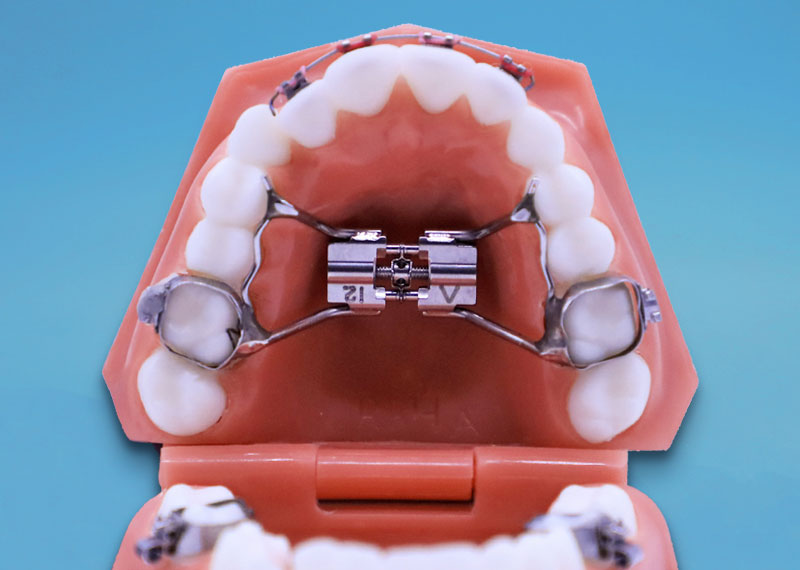
This special appliance is designed to widen the roof of your mouth by gently separating the suture in the center of your palate. The suture is similar to the soft spots on a baby’s head and will eventually fill in with bone as well. This expansion is easier and more effective at earlier ages, before the suture has fused. Expansion is performed when the upper jaw is too narrow relative to the lower jaw, or when the upper teeth are crowded or blocked out of the dental arch.
There are two types of expanders, and both use a key to widen the palate gradually. Both appliances transmit the force of expansion through the teeth to the underlying bony support.
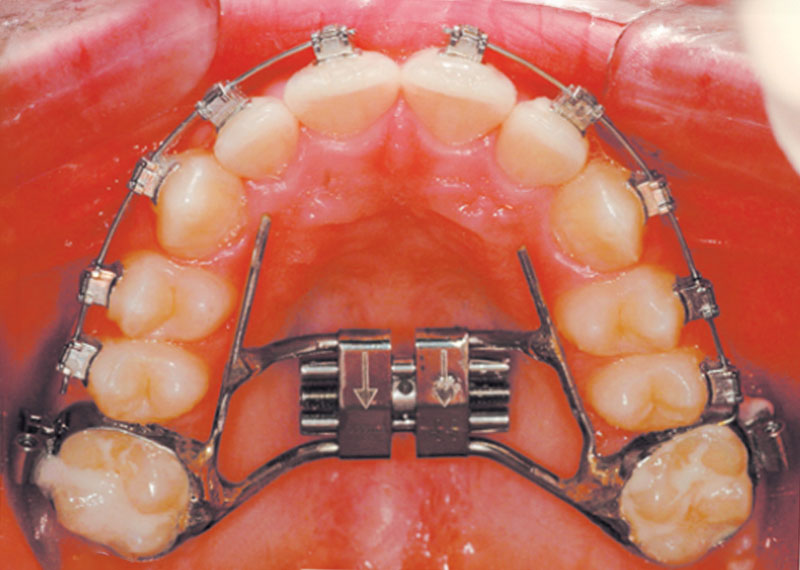
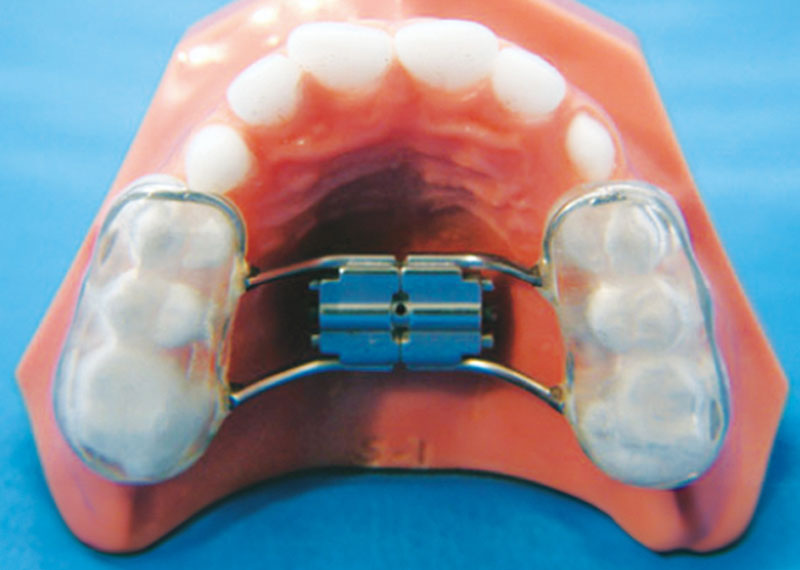
A rapid palatal expander (RPE) is a fixed appliance that widens a narrow upper jaw. It attaches to the upper back teeth with bands and has a small screw in the middle of the palate. Turning the screw gently separates the two halves of the upper jaw while a child is still growing.
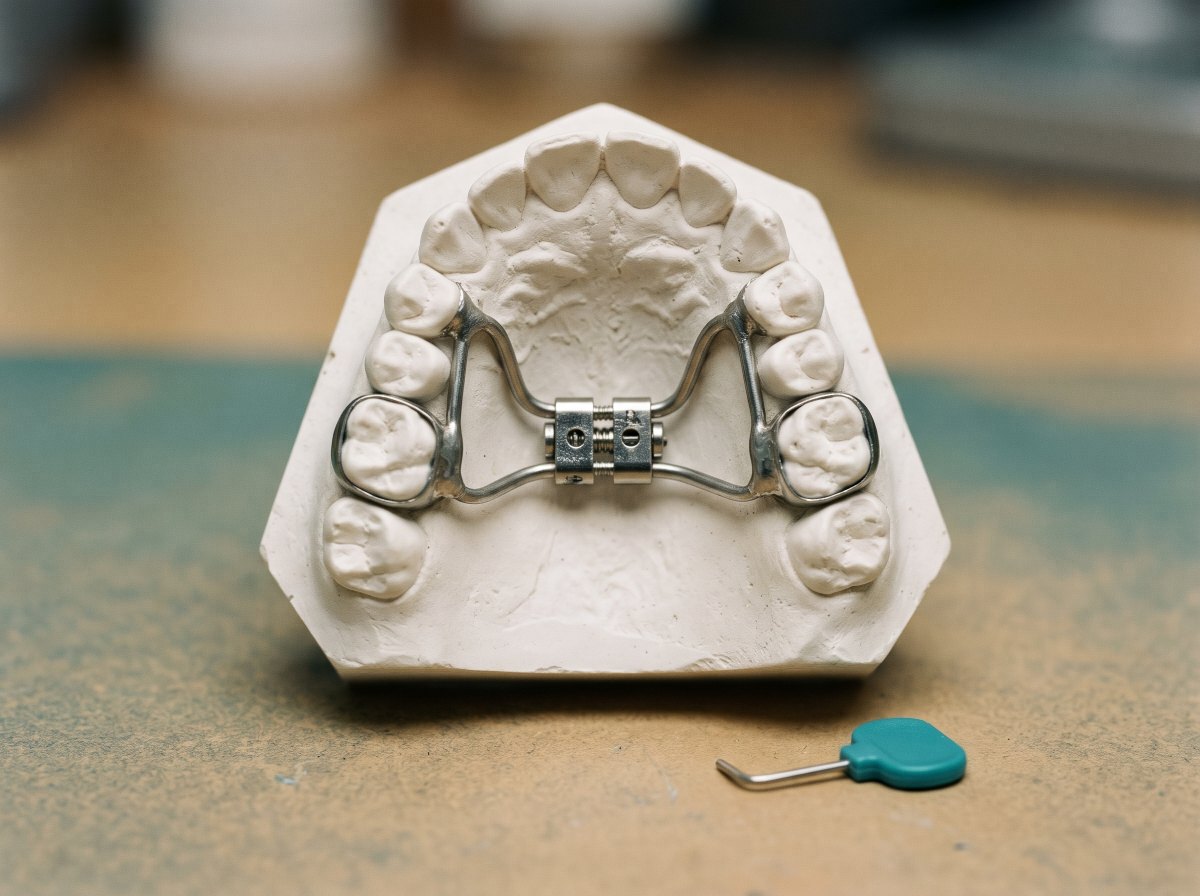
Expanders are often used to correct crossbites and create room for crowded permanent teeth.
A parent uses the small key we provide to turn the screw, usually once a day, following our instructions. Insert the key into the hole, push it toward the back of the mouth until the next hole appears, and remove it toward the throat. We'll show you exactly how at the appointment.
Most kids feel pressure rather than pain, often across the nose, cheeks or front teeth for a few minutes after each turn. Speech and eating may feel strange for a few days. Soft foods and an over-the-counter pain reliever, if needed, help.
A space between the upper front teeth is a good sign that the expander is working. It usually starts within a week or so of turning and closes on its own or with braces later.
Turning usually lasts a few weeks. The expander then stays in place, without turning, for several more months so new bone can fill in and keep the expansion stable.
Brush around the bands and the appliance after meals, and rinse well or use a water flosser to clear food from under it. Avoid sticky and hard foods that can loosen it.
