
Phase 2 is the second and final step for children who had Phase 1 treatment. Once most of the adult teeth have come in, usually somewhere around ages 11 to 13, Phase 2 uses braces or Invisalign to line up every tooth and finish the bite.
If Phase 1 built the foundation, Phase 2 adds the finishing details. Because the jaws were already guided into a better position, this stage focuses mainly on placing each tooth exactly where it belongs.
At Plymouth Orthodontics, we keep watching your child during the resting period between phases, so we can start Phase 2 at just the right time, and only if it's needed.
A short treatment guides jaw growth and makes room for adult teeth while your child is still growing.
Appliances come off and the remaining adult teeth come in naturally. We check in along the way.
Braces or aligners line up each tooth and perfect the bite, followed by retainers to keep the results.

Phase 2 can be done with braces, either metal or clear ceramic, or with Invisalign Teen clear aligners. Both can create a beautiful, healthy smile.
The best choice depends on your child's bite, how involved the tooth movement is, and how comfortable they are wearing removable aligners every day. We'll walk you through the pros and cons of each so you can decide together.
When the jaws are already guided into a healthy position, Phase 2 can often focus on fine-tuning the teeth instead of fixing bigger bite problems. For many children that means a smoother, more predictable treatment. Every child is different, so we'll give you a clear estimate of what Phase 2 involves and how long it should take before anything begins.
Phase 2 is the second stage of two-phase orthodontic treatment. After Phase 1 has guided jaw growth and made room for the adult teeth, Phase 2 uses braces or Invisalign to move each permanent tooth into its final position and finish the bite.

Think of Phase 1 as building the foundation and Phase 2 as finishing the house. Because the jaw-level work is already done, Phase 2 can focus on detailed alignment, a healthy bite and a smile that lasts.
Phase 2 usually begins once most or all of the permanent teeth have come in, which for many children is between ages 11 and 13. Every child develops on their own schedule, so we base the timing on your child's teeth rather than a birthday.
Between phases, we see your child about every four to six months to check how the adult teeth are erupting. When the timing is right, we'll let you know and walk you through the plan.
Most Phase 2 treatment takes about 12 to 24 months. Because Phase 1 already addressed the bigger jaw and spacing problems, Phase 2 is often shorter and more straightforward than it would have been without early treatment.
The exact length depends on how much the teeth need to move and how well your child keeps appointments and wears elastics or aligners as directed.
Either can work. Phase 2 can be done with traditional braces, clear ceramic braces, or Invisalign clear aligners, depending on the bite correction needed and what fits your child's lifestyle. Invisalign works best for teens who will wear their aligners about 20 to 22 hours a day.
We'll explain which option will give the best result for your child and help you choose with confidence.
For the right child, yes. Two-phase treatment is recommended only when early care will make a real difference, such as correcting a crossbite, an underbite or severe crowding while the jaws are still growing. Treating these problems early can make the final result more stable and may lower the chance of needing tooth removal or jaw surgery later.
If your child doesn't need two phases, we'll tell you. Many children only ever need one round of treatment once their permanent teeth are in.
Usually not by as much as families expect. Because each phase has its own goals, Phase 2 is often shorter and simpler after a successful Phase 1, and the combined cost is frequently similar to a single full course of treatment. Every case is different, so we'll give you a clear estimate for your child's plan before anything begins.
Our team can also check your orthodontic insurance benefits and explain payment options at your consultation.
When the braces come off or the last aligner is done, your child begins the retention phase. Retainers hold the teeth in their new positions while the bone and gums around them settle. They're usually worn full-time at first, then at night.
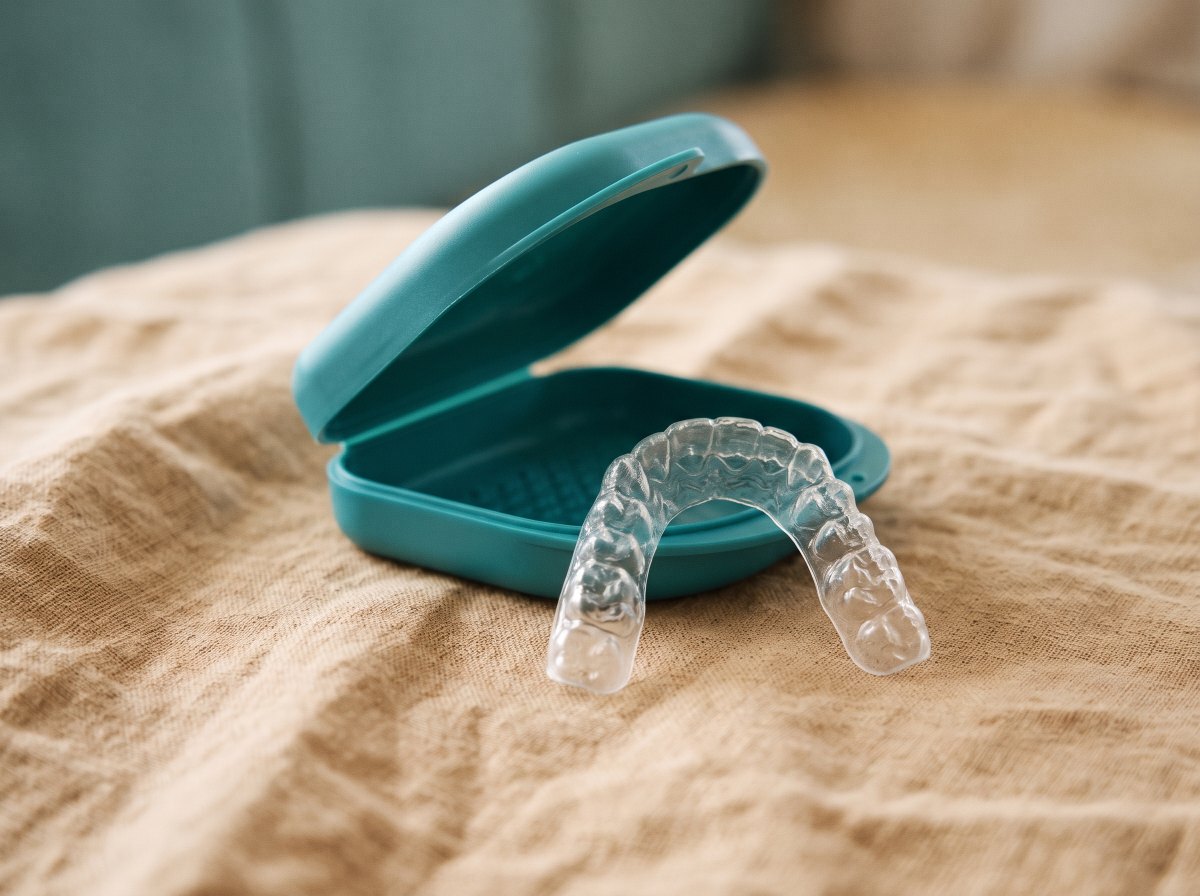
Teeth naturally try to shift throughout life, so wearing retainers at night as directed is the best way to protect the result long-term. Learn more on our Retainers page.

The best way to learn what orthodontic treatment could do for you or your child is to schedule a complimentary initial exam. We will determine the best course of treatment and answer all your questions. Book your initial appointment online now using the link below, or just simply call our office.
Schedule Consultation