
Comprehensive treatment is the most common type of orthodontic care. It corrects the alignment of the teeth and the bite from start to finish in a single stage, usually once most or all of the baby teeth are gone, around ages 11 to 14.
Using braces or clear aligners on the upper and lower teeth, we straighten crooked teeth, close gaps and line up the bite so the teeth fit together the way they should.
At Plymouth Orthodontics, every plan is built around your child's smile, schedule and comfort.
A relaxed exam, photos and a digital scan help us understand your child's smile and answer your questions.
Braces are placed or the first aligners are delivered, with simple instructions for home care.
Quick visits every several weeks keep the teeth moving on schedule.
When the teeth are in place, retainers help keep them there for life.

Comprehensive treatment does more than make teeth look straight. It also corrects how the upper and lower teeth meet, which helps with chewing, cleaning and long-term dental health. Common problems we correct include:
Wondering about your child's bite? Learn more on our Do I Need Braces? page.
| Braces | Invisalign Teen | |
|---|---|---|
| How It Works | Brackets and a wire gently move the teeth | A series of clear, custom trays gently move the teeth |
| Removable? | No, they stay on until treatment is finished | Yes, taken out to eat, drink and brush |
| Appearance | Metal or clear ceramic brackets | Nearly invisible |
| Daily Effort | Careful brushing and avoiding hard, sticky foods | Wearing aligners about 20 to 22 hours a day |
Comprehensive orthodontic treatment is a single, complete course of care, usually with braces or Invisalign, that straightens all of the permanent teeth and corrects the bite. It's the most common type of treatment for kids and teens and typically starts once most adult teeth have come in, around ages 11 to 14.

Unlike two-phase treatment, everything is done in one stage. The goal is straight teeth, a healthy bite and a smile that's easy to keep clean for life.
Most kids and teens wear braces for about 18 to 24 months, although treatment can range from under a year to about three years. The length depends on how severe the crowding or bite problem is, how the jaws are growing, and how well your child follows instructions like wearing rubber bands.
Keeping every appointment and avoiding broken brackets are two of the easiest ways to stay on schedule.
Most children in braces visit us about every 6 to 8 weeks. At these short appointments we adjust wires, check progress and make sure everything is moving as planned. Patients with clear aligners often come in a little less often.
If your child's treatment needs closer monitoring, we may schedule visits more often. We do our best to keep appointments quick and easy to fit around school.
Most children today don't. Modern techniques and appliances like expanders often create enough space without removing any teeth. In some cases, though, removing a few teeth is the healthiest way to make room for severely crowded teeth and keep the profile balanced.
If extractions would help your child, we'll explain why and talk through every option before making that decision together.
Braces don't hurt when they're put on, and no shots are needed. It's normal for teeth to feel tender for a few days after braces are placed and after each adjustment, and the cheeks may need about a week to get used to the brackets.
Soft foods, orthodontic wax and an over-the-counter pain reliever, if needed, usually take care of any soreness. Most kids say it feels like pressure rather than pain.
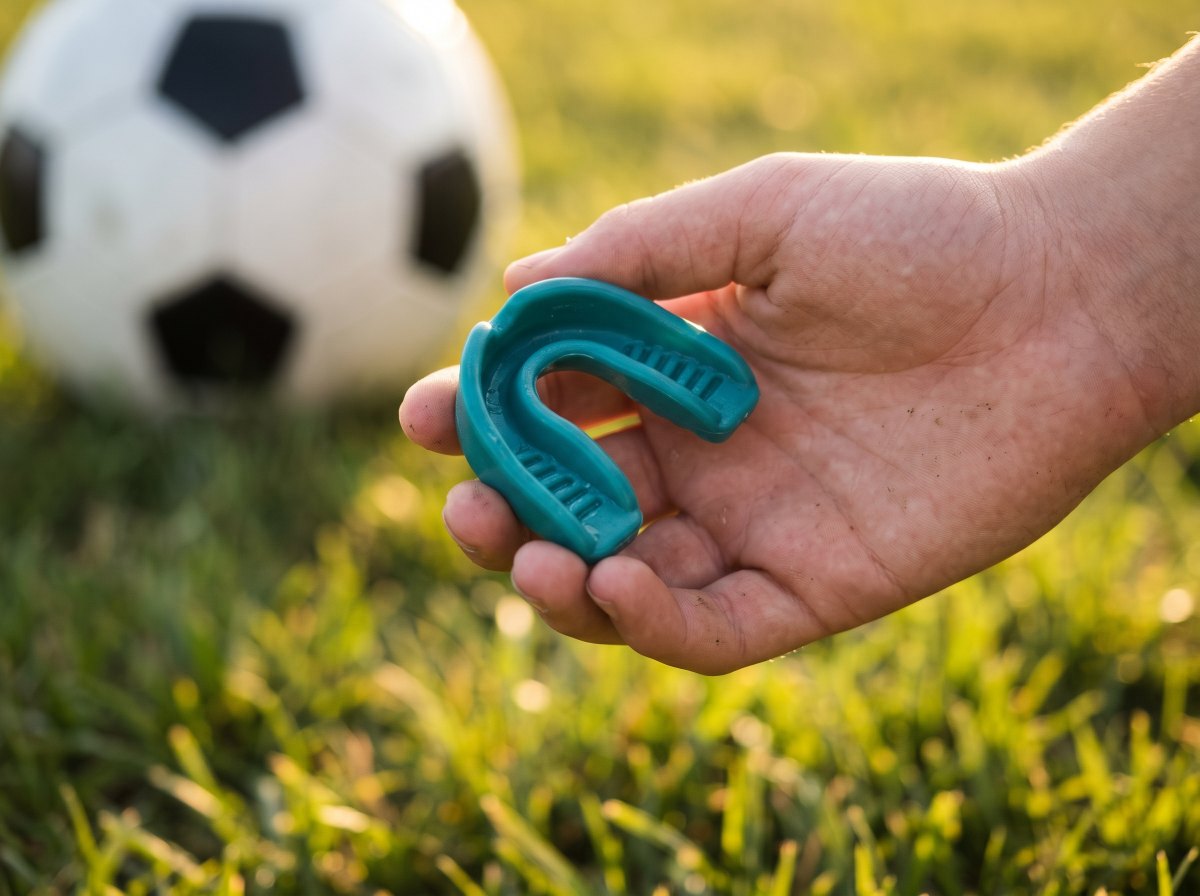
Yes. Kids in braces keep playing their favorite sports and instruments. For any contact sport, we recommend a mouthguard made to fit over braces, which protects both the teeth and the lips.
Wind and brass players may need a week or two to adjust. A little orthodontic wax or a braces cover can make practice more comfortable, and it's best not to start treatment right before a big performance.
Brushing after meals and flossing once a day are the most important habits during braces. Food gets trapped easily around brackets, so a soft toothbrush, floss threaders or a water flosser can help keep teeth and gums healthy.
Avoiding hard, sticky and chewy foods also prevents broken brackets that can slow treatment down. See our Braces page for more care tips.
When the braces come off, your child starts wearing retainers to keep their new smile in place. Retainers are worn full-time at first, then usually at night as the teeth settle.
Wearing retainers as directed is the key to keeping the teeth from drifting back. We'll check in during the retention phase to make sure everything stays stable.

The best way to learn what orthodontic treatment could do for you or your child is to schedule a complimentary initial exam. We will determine the best course of treatment and answer all your questions. Book your initial appointment online now using the link below, or just simply call our office.
Schedule Consultation