
Braces are orthodontic tools that are used on your teeth to fix specific issues like crowding, crooked teeth, or teeth that are out of alignment. Many people get braces when they’re teenagers, but adults can benefit from getting them as well. Braces slowly straighten and align your teeth, so you have a normal bite and symmetrical smile. There are a few different types of braces our orthodontists can place on your teeth.
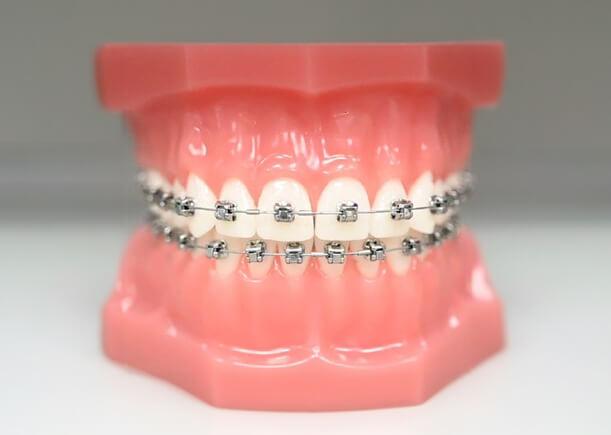
Metal braces are made of high-quality, durable stainless steel. They are the most common type of braces. The brackets, which are bonded to the front of each tooth, are connected by the archwire, which helps guide the teeth into the correct positions. Today's metal braces are smaller, more comfortable, and more attractive.
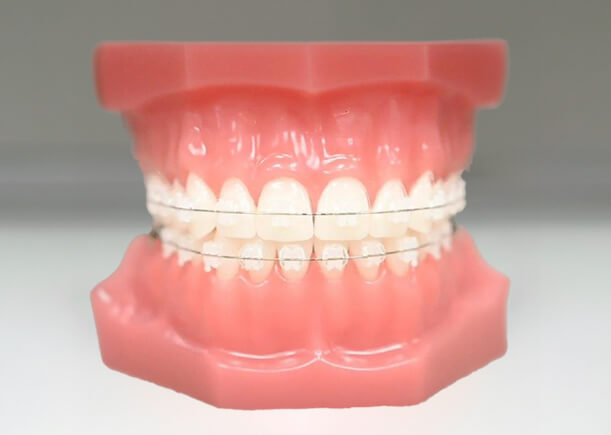
Clear (ceramic) braces move teeth just as efficiently as metal braces, except the brackets are clear, so they are less noticeable. Due to their cosmetic appeal, clear braces are most popular with adult patients. The only drawbacks to clear brackets are that they are more fragile, and the elastic ties can discolor between orthodontic visits.
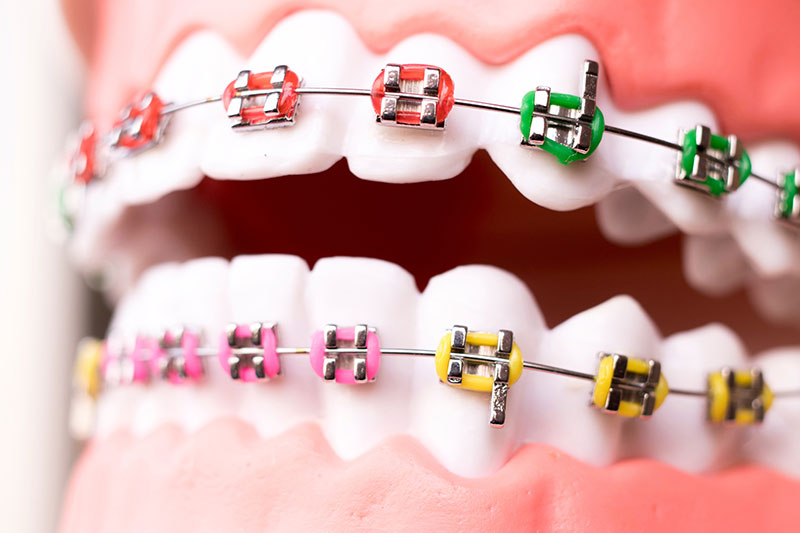
For most patients, the fun part of orthodontics is being able to select different-colored “O” rings, including mixing and matching the colors for endless combinations. Many patients also have fun selecting colors for their favorite sports teams and holidays. This allows them to express their individuality on their journey to a straighter smile.
Braces use small brackets bonded to each tooth and a thin archwire that runs through them. The wire applies gentle, steady pressure that slowly moves teeth through the bone into better positions. At each visit, we adjust or change the wire to guide the next stage.
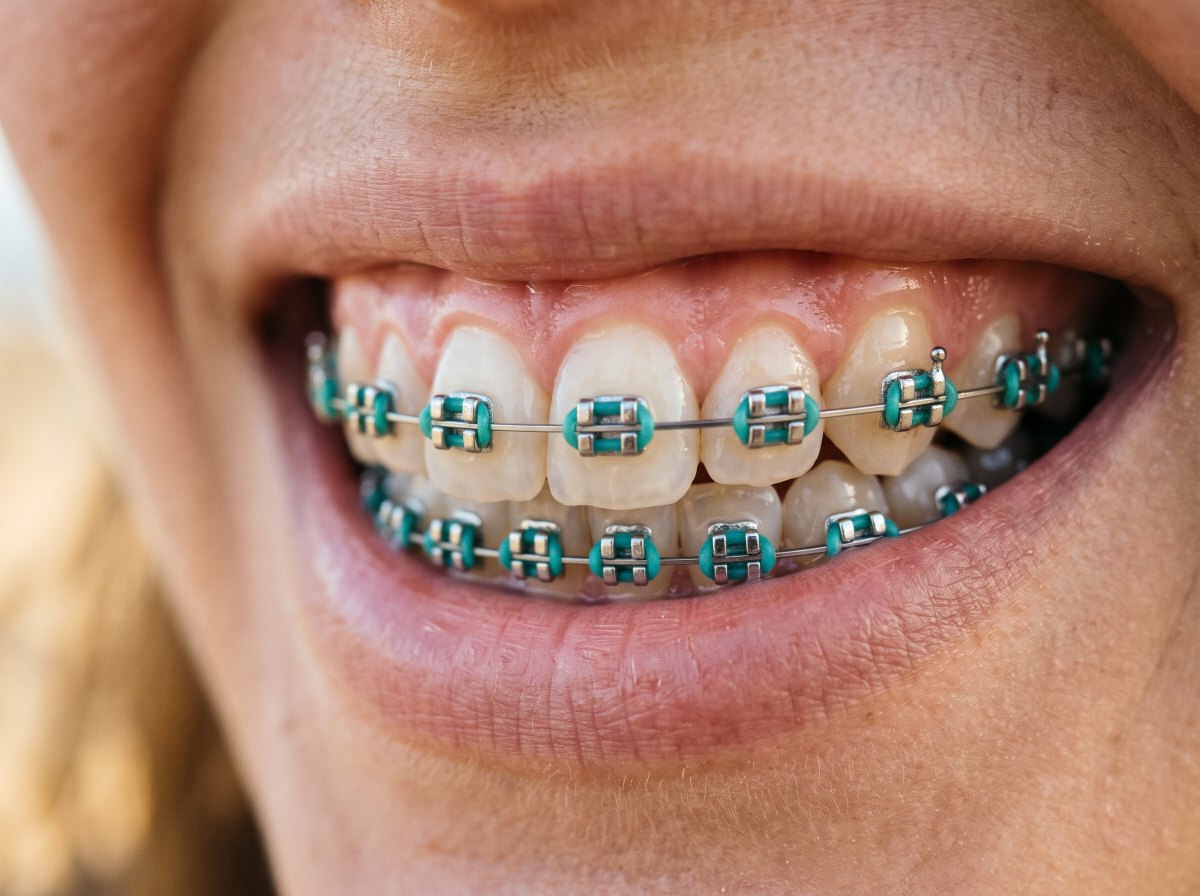
Today's brackets are smaller and smoother, and modern wires are designed to move teeth with lighter, more comfortable forces.
Metal braces are strong, reliable and can be personalized with colored ties. Clear ceramic braces use tooth-colored brackets that are much less noticeable, which many teens and adults prefer. Both are effective, and we'll help you pick the one that fits your goals.
Getting braces put on doesn't hurt, and no shots are needed. Teeth may feel sore for a few days afterward and after adjustments. Soft foods, orthodontic wax and an over-the-counter pain reliever, if needed, help a lot.
Skip foods that are hard, sticky or chewy, such as:
Limiting sugary snacks and drinks also helps prevent cavities around brackets.
Brush after every meal, angling the brush above and below the brackets, and floss once a day with a floss threader or water flosser. A fluoride rinse at night adds extra protection. Healthy gums keep treatment on track.
Cover a poking wire or loose bracket with orthodontic wax and call our office. Most issues aren't emergencies, but letting us know quickly helps keep your treatment on schedule.
