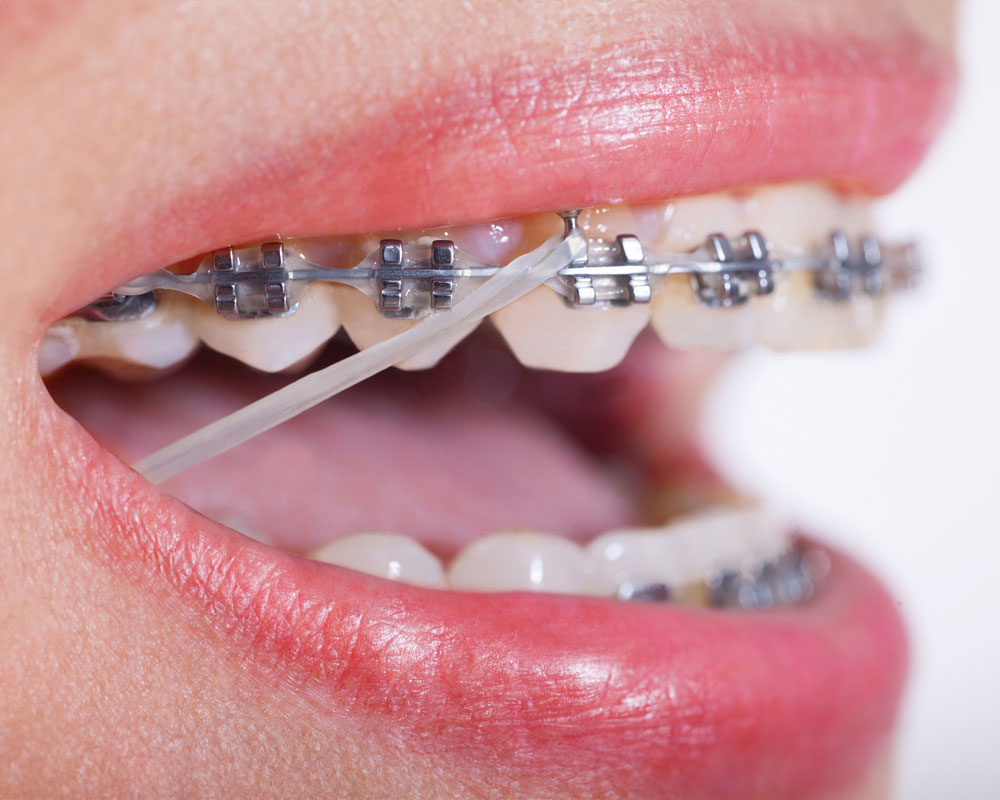
Elastics, or rubber bands, are an essential part of orthodontic treatment. They attach to small hooks on the braces and are taken on and off by the patient to supply the pressure needed to move the teeth into their correct positions. Therefore, to achieve the desired results, you must carefully follow the instructions you receive regarding their placement and use. Anytime you forget to wear your elastics, it will only make your treatment take longer.
Orthodontic elastics, or rubber bands, connect hooks on the upper and lower braces to move the jaws and teeth into a better bite. They're commonly used to correct overbites, underbites and teeth that don't meet.
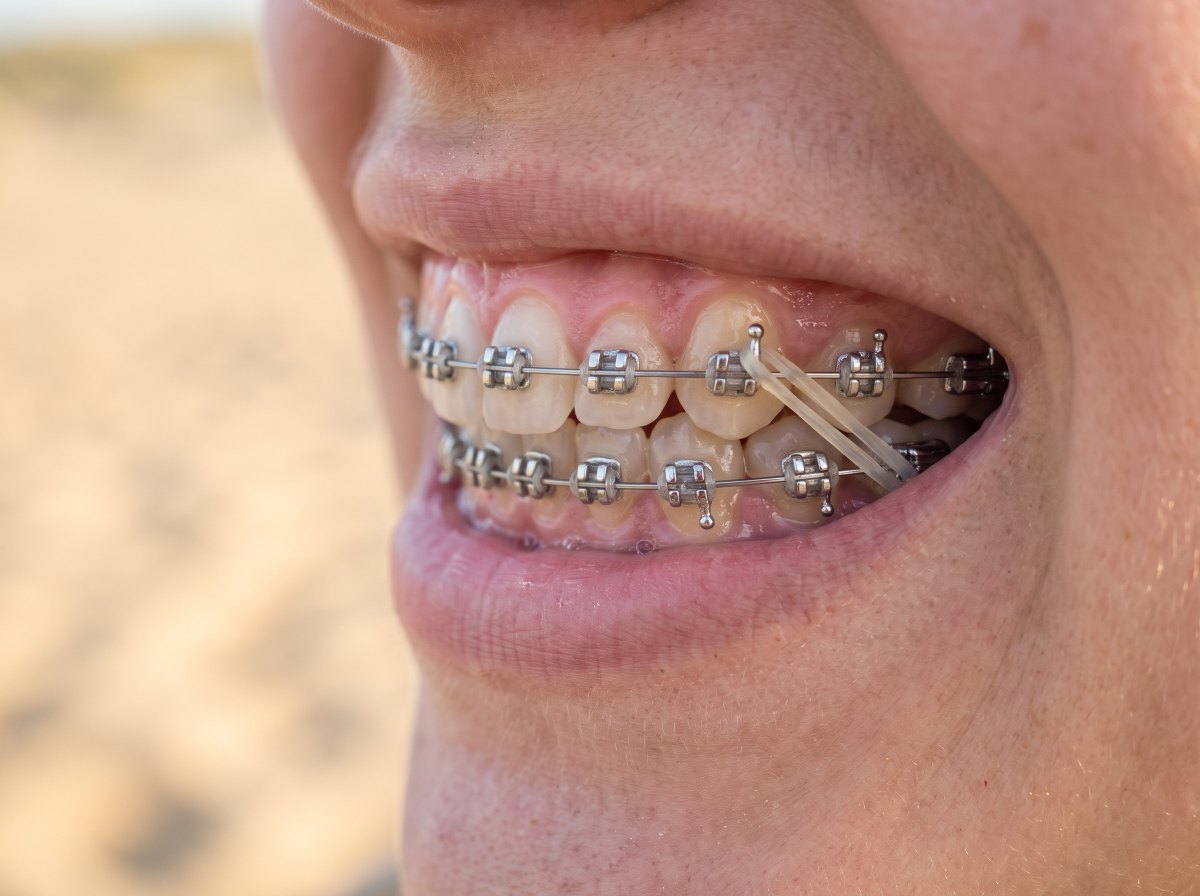
Braces straighten teeth, while elastics help line up the top and bottom teeth with each other.
Unless we tell you otherwise, wear them about 20 to 22 hours a day, including while you sleep. Take them out only to brush or eat (if needed), then put fresh ones right back in.
Change them at least once a day, or more often if we've asked you to, because they lose their stretch over time. Always keep a few extras with you in case one breaks.
Skipping elastics slows treatment down and can let teeth move backward, so the soreness comes back when you restart. Wearing them consistently is the fastest way to get your braces off on time.
Yes, mild soreness for a day or two after starting elastics is normal. If you feel pain, clicking or locking in the jaw joint, stop wearing them and call our office.
