
Phase 1 is a short, focused round of orthodontic care for children who still have a mix of baby teeth and new adult teeth, usually somewhere between ages 7 and 10.
Instead of straightening every tooth, Phase 1 targets one or two specific problems while your child's jaw is still growing, which is when those problems are easiest to correct. Think of it as building a strong foundation: making room for adult teeth, helping the upper and lower jaws fit together, and steering growth in the right direction.
At Plymouth Orthodontics, we only recommend Phase 1 when waiting would make a problem harder to fix later. Many children don't need it at all. For the ones who do, acting at the right time can make the rest of their orthodontic care simpler.
The American Association of Orthodontists recommends every child have an orthodontic check-up by age 7. We look at how the teeth are coming in and how the jaws are growing. Most kids simply get a "see you later."
If a problem shouldn't wait, a short treatment, often about a year or less, corrects it. Common examples are a narrow upper jaw, a crossbite or front teeth that stick out.
The appliance comes off and the rest of the adult teeth come in on their own. We see your child for periodic check-ins to make sure everything stays on track.
If needed, braces or Invisalign fine-tune the position of every tooth and the final bite. Because the foundation is already in place, this phase can be shorter and simpler.

Between about ages 7 and 10, a child's jaws are still growing, and growing bones can be gently guided. That makes these years a unique window. With early orthodontic treatment, an orthodontist can help the upper jaw grow to the right width, or help the upper and lower jaws grow into a better position with each other, so adult teeth have room to come in where they belong.
Once growth is finished, that window closes. The jaw bones are set, and the same problem can take longer, more involved treatment to correct. For some jaw problems, surgery may become the only way to fully fix it as an adult. A little help while your child is still growing can often prevent a much bigger fix later, which is why a well-timed check-up matters.
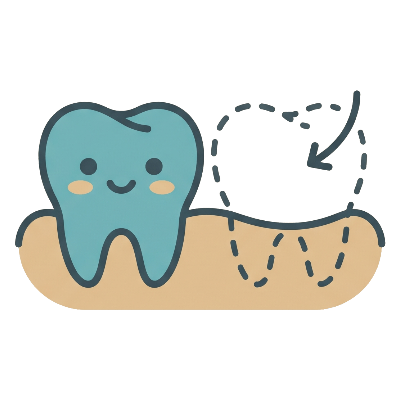
Baby teeth that fall out much earlier, or hang on much longer, than other kids' the same age.
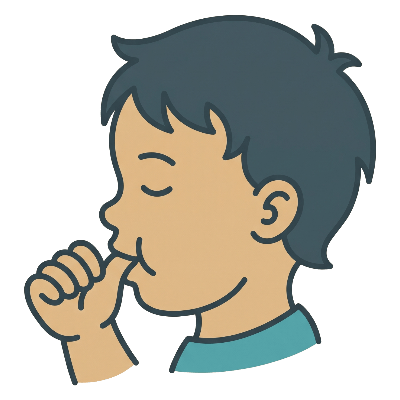
A habit that continues past the preschool years can push the front teeth forward and narrow the upper jaw.
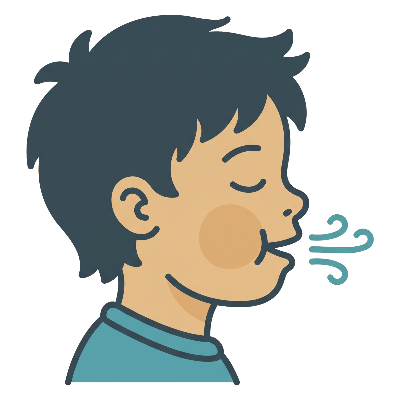
Breathing mostly through the mouth, day or night, can be linked to a narrow upper jaw.
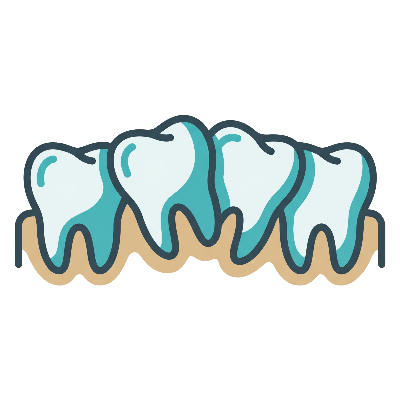
New adult teeth coming in crooked, overlapping or out of place because there isn't enough room.
Difficulty biting into foods like apples or sandwiches, or chewing mostly on one side.
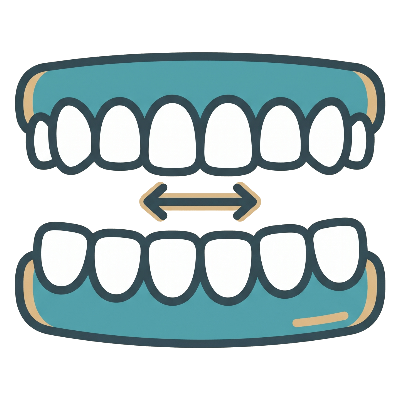
A jaw that shifts to one side when your child closes, or top and bottom teeth that don't meet the way they should.
Noticed one of these? It doesn't automatically mean your child needs treatment. It's simply a good reason to schedule a check-up so we can take a look.
After your child's first check-up, there are usually two paths:
Either way, you'll always know where your child's smile stands, what comes next and why.
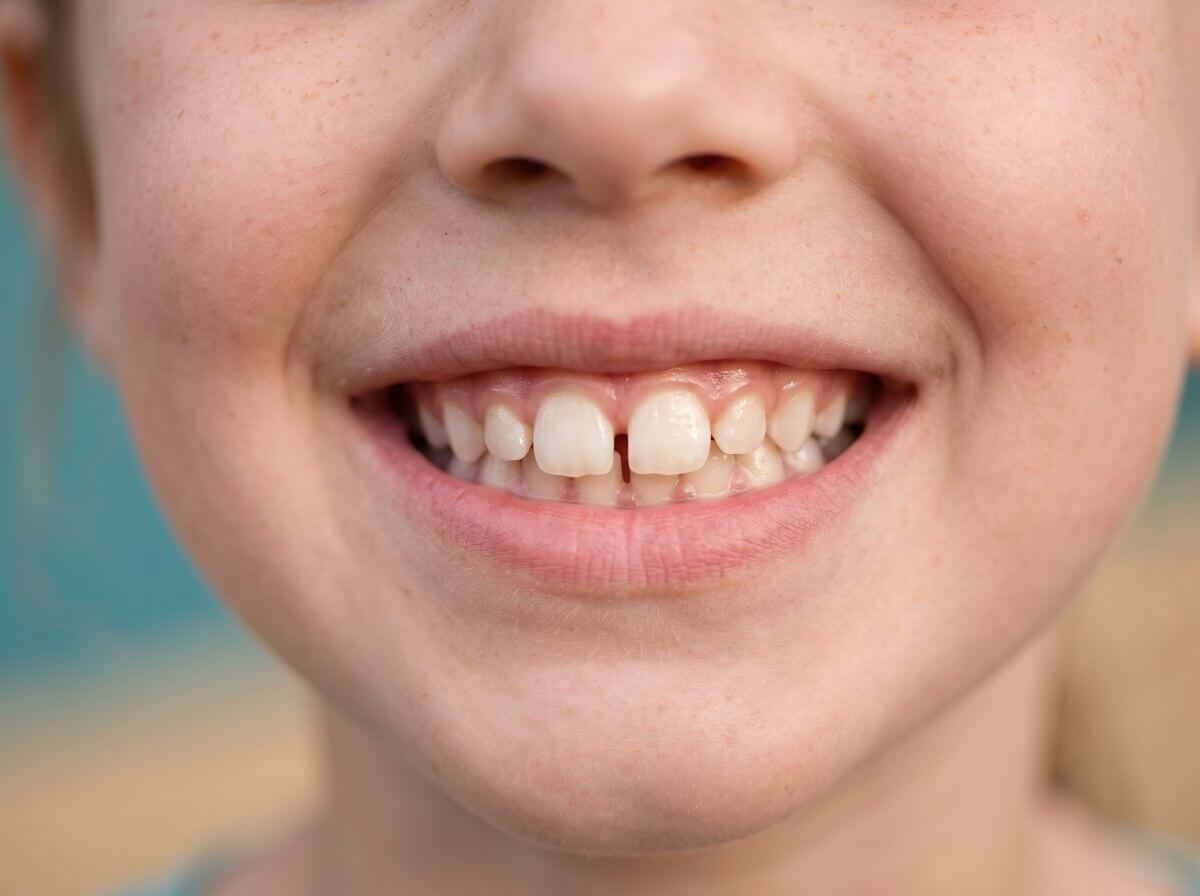
Phase 1 appliances are designed for growing smiles. Your child may need just one of these, or none at all:
Every plan is built around your child. We'll show you exactly what we recommend, why, and how long it should take.
| Phase 1 | Phase 2 | |
|---|---|---|
| Typical Age | About 7 to 10 | About 11 and up |
| Teeth Present | A mix of baby and adult teeth | Most or all adult teeth |
| Main Goal | Guide jaw growth, make space and correct the bite | Line up every tooth and finish the bite |
| Common Tools | A simple appliance to guide growth (like an expander), only if needed | Full braces or Invisalign Teen |
| Typical Length | Often about a year or less | Varies by case, commonly about 1 to 2 years |
The American Association of Orthodontists (AAO) recommends that every child have a first orthodontic evaluation by age 7, or sooner if a parent or family dentist notices a concern. At this age most children have a mix of baby and permanent teeth, so an orthodontist can see how the jaws are growing and where the adult teeth are headed.
An early visit doesn't mean your child will start braces right away. Most children we see at Plymouth Orthodontics simply need their growth watched. When a problem does need attention, finding it early lets us choose the right time to treat it, which can make later treatment shorter and simpler.

Phase 1 treatment, also called early orthodontic treatment or interceptive orthodontic treatment, is a first round of care for children who still have some baby teeth, usually between ages 6 and 10. Instead of perfecting the position of every tooth, it focuses on guiding jaw growth and making room for the permanent teeth while a child is still growing.
Because the jaws are still developing, some problems are easier to correct now than after growth slows down. That's why Phase 1 is recommended only for moderate to severe problems that are likely to get worse, or become harder to fix, if they wait.
Phase 1 treatment is used for bite and jaw problems that respond best while a child is still growing, including:
Most Phase 1 treatment lasts about 6 to 14 months. The exact length depends on the problem being corrected and how your child's jaws respond.
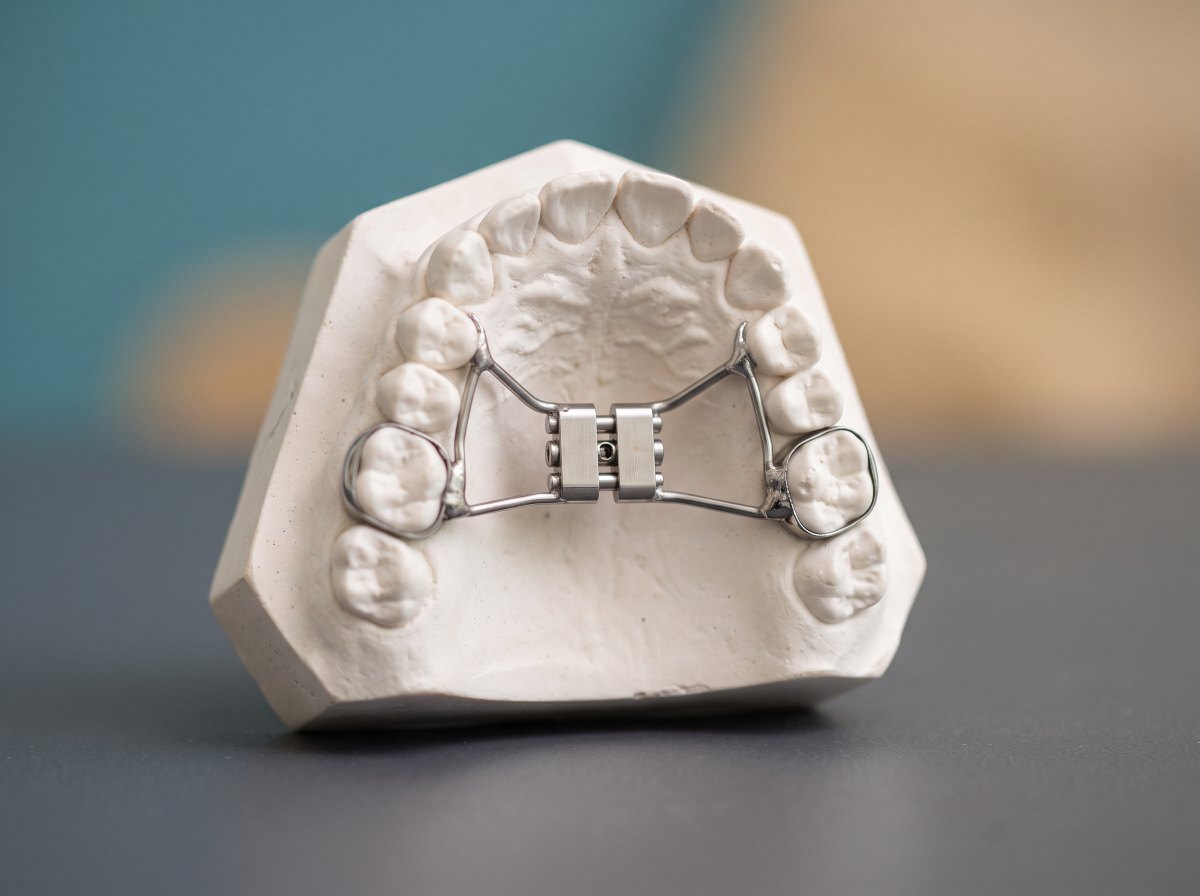
Phase 1 doesn't always mean a full set of braces. Depending on the need, treatment may use a palatal expander to widen a narrow upper jaw, braces on only the front teeth, a space maintainer to save room for an adult tooth, or an appliance that helps break a thumb-sucking or tongue-thrust habit. Appliances can be fixed or removable and may be placed on one or both jaws.
When a child truly needs it, Phase 1 treatment uses natural growth to:
No. Most children don't need early treatment, and many common problems, like mild crowding, are best treated once the permanent teeth are in. At Plymouth Orthodontics, we recommend Phase 1 only when waiting would make a problem harder to correct or when early care will clearly improve the final result.
If your child doesn't need treatment yet, we'll keep an eye on their growth with periodic check-ups so treatment can begin at the right time.
When Phase 1 is complete, the appliances come off and your child enters a resting (observation) period. During this time we see them about every four to six months to watch the remaining permanent teeth come in, and a retainer may be recommended to hold the progress made.
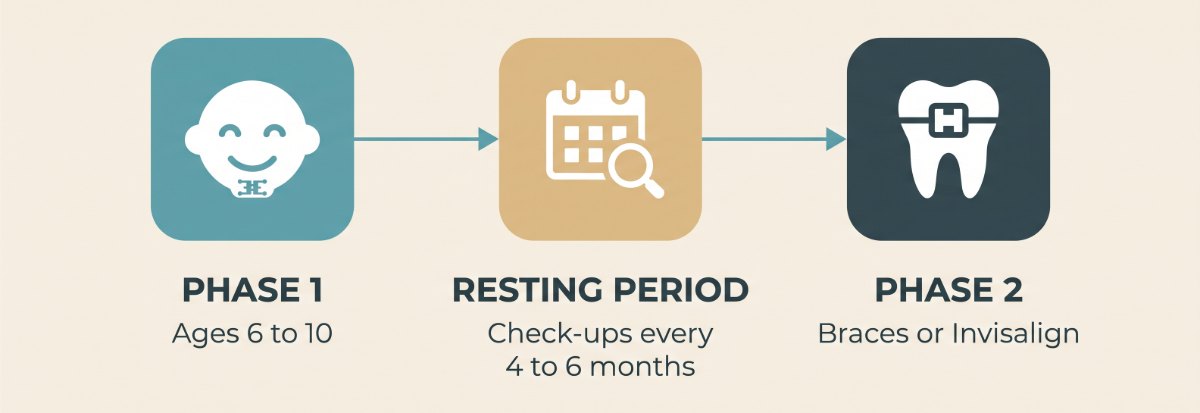
Many children go on to Phase 2 Treatment with braces or Invisalign once their adult teeth have come in, to fine-tune the bite and alignment. Because Phase 1 already handled the jaw-level problems, that second phase is often more straightforward, and some children won't need it at all.
Many dental plans that include orthodontic benefits cover Phase 1 treatment, but coverage varies from plan to plan. Some plans have age limits, and many have a lifetime orthodontic maximum that is shared between Phase 1 and Phase 2, so it helps to know how your benefit will be used across both phases.
Our team is happy to check your benefits before treatment begins and walk you through your costs and payment options, so there are no surprises.

The best way to learn what orthodontic treatment could do for you or your child is to schedule a complimentary initial exam. We will determine the best course of treatment and answer all your questions. Book your initial appointment online now using the link below, or just simply call our office.
Schedule Consultation