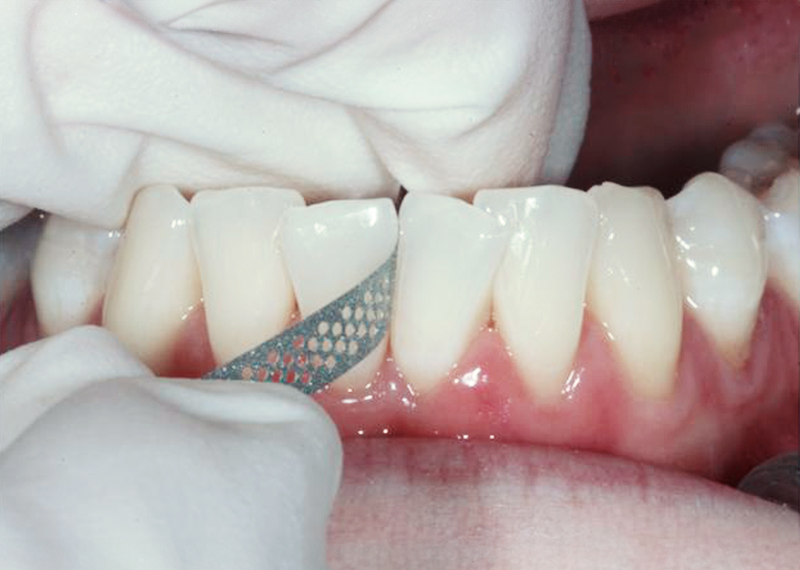
Interproximal reduction (IPR), also known as “tooth stripping” or “interdental reduction,” is the removal of small amounts of outer enamel tooth surface between two adjacent teeth. This is beneficial when a small amount of dental crowding must be eliminated, and the removal of adult teeth or expansion of the dental arches by themselves are not the best options. In other words, it is a means to acquire additional space to create ideal tooth alignment.
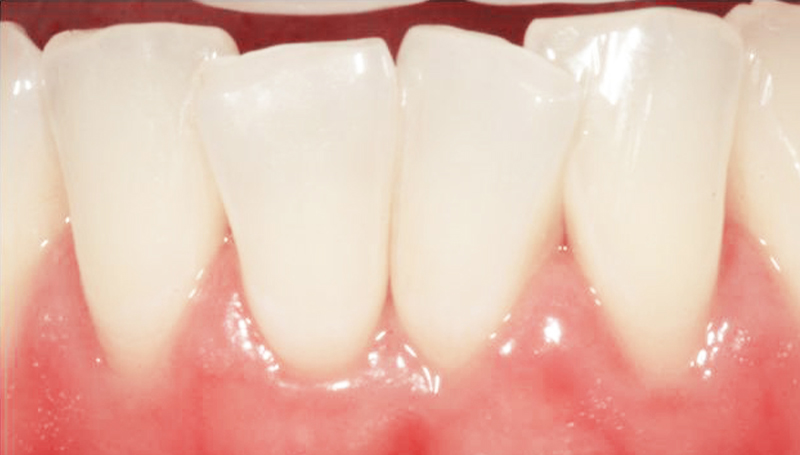
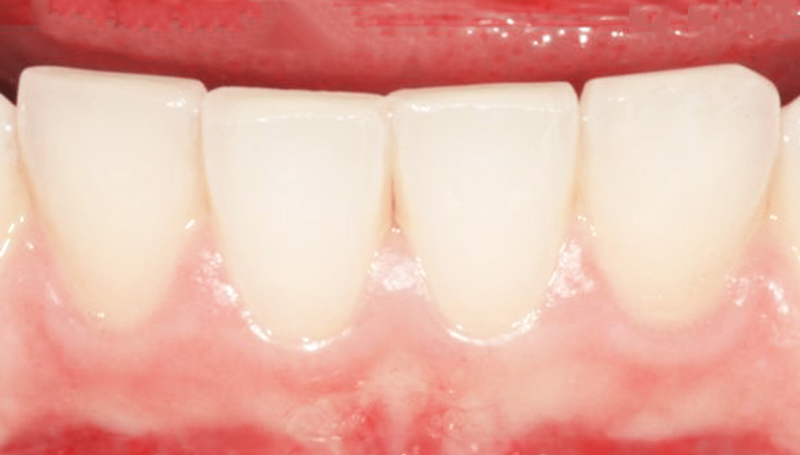
Interproximal reduction (IPR), sometimes called tooth slenderizing, removes a tiny amount of enamel from the sides of certain teeth to create space. It's often used with braces or Invisalign to relieve mild crowding without removing teeth.
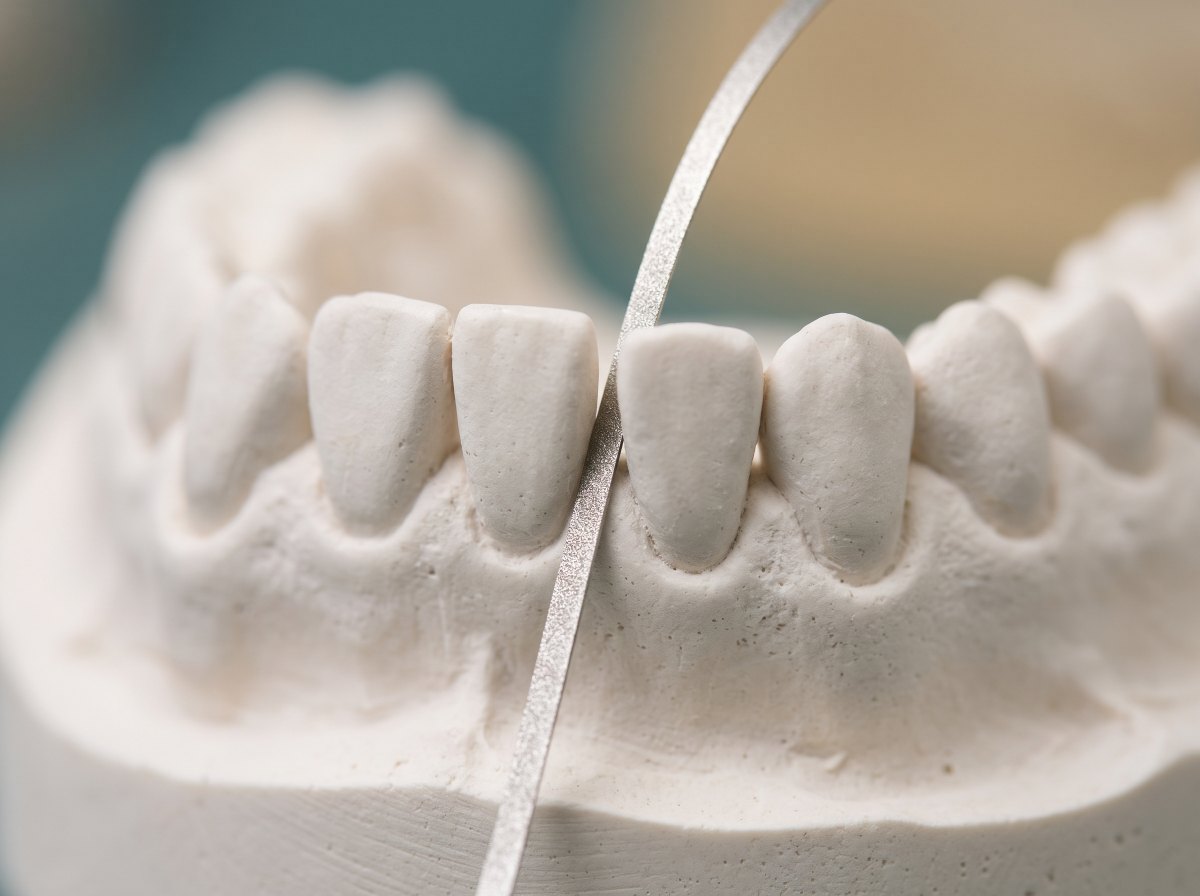
The amount removed is a fraction of a millimeter, much thinner than a business card.
We use a thin, flexible strip coated with fine diamond grit, or a small polishing disc, to gently smooth the contact between two teeth. The surfaces are then polished. It's quick and usually done during a regular appointment.
No. The outer enamel has no nerves, and only a very small amount is removed, so most patients feel little more than a vibration. No numbing is needed.
Yes. IPR has been used in orthodontics for decades and stays well within the enamel's thickness. Studies haven't shown an increased risk of cavities or sensitivity when it's done properly.
You may see small spaces at first. That's the point, and they close as your teeth move during treatment.
